Essential Travel Tips For Greece 2025

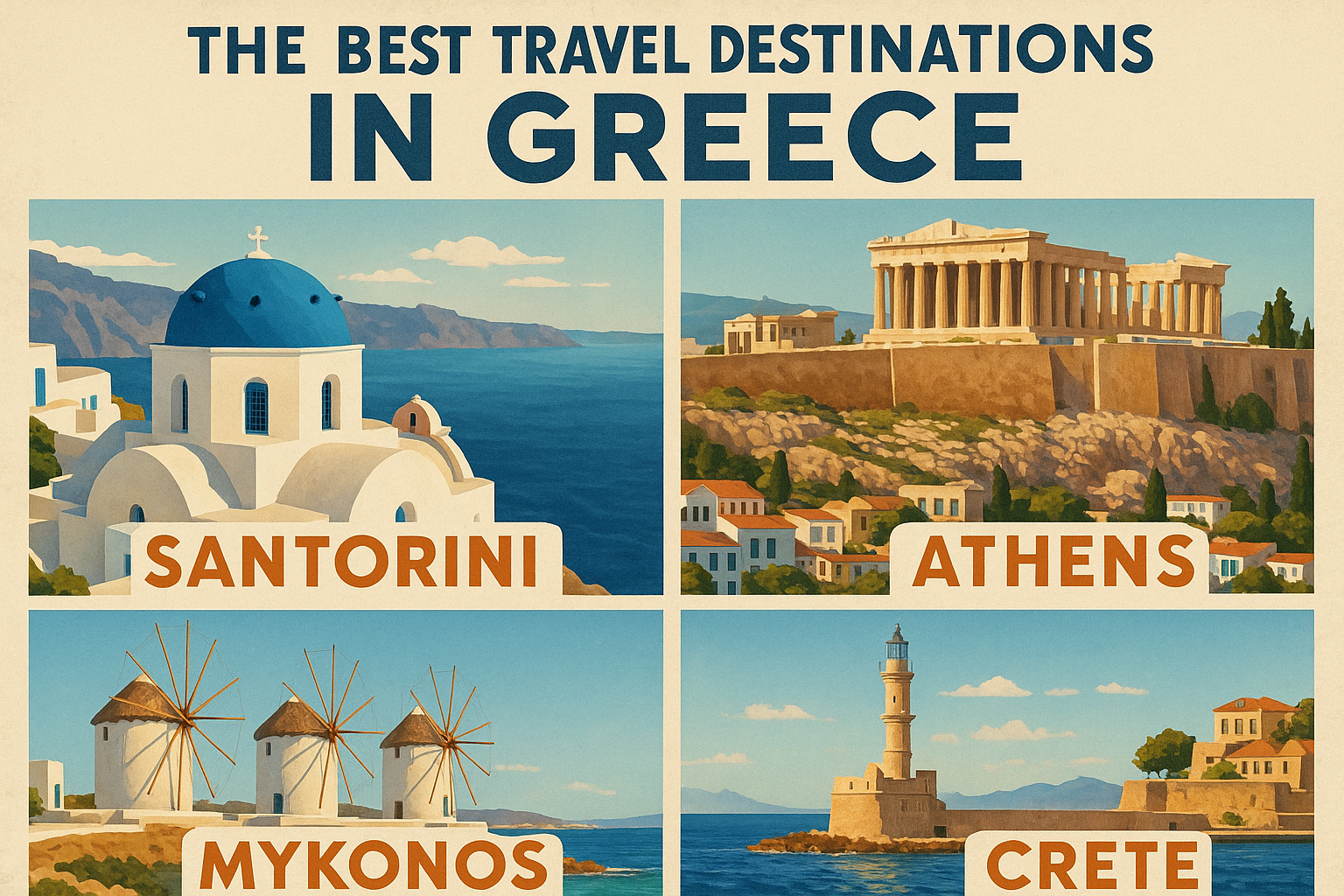
Greece is one of the world’s most beloved travel destinations, offering ancient history, breathtaking islands, delicious food, and warm Mediterranean hospitality. Whether you’re exploring the Acropolis in Athens, watching the sunset in Santorini, or relaxing on Crete’s beaches, a little preparation goes a long way. Here are the top travel tips for Greece to make your trip smooth, budget-friendly, and unforgettable.
1. Best Time to Visit Greece
-
High season (June–August): Hot weather, crowded beaches, and higher prices. Great for nightlife and festivals.
-
Shoulder season (April–June & September–October): Pleasant weather, fewer crowds, and better deals. Perfect for sightseeing and island hopping.
-
Low season (November–March): Some islands shut down, but cities like Athens and Thessaloniki stay lively and are cheaper to explore.
Tip: For the best mix of good weather and affordability, visit in May or September.
2. Getting Around Greece
-
Domestic flights are fastest for long distances, especially between Athens and islands like Santorini or Crete.
-
Ferries are the classic way to island hop. Book early in summer for popular routes.
-
Buses & trains connect cities and smaller towns on the mainland.
-
Car rentals are ideal for exploring Crete, Peloponnese, and remote villages.
Tip: Always check ferry schedules in advance—weather delays can happen.
3. Money & Payments in Greece
-
Currency: Euro (€)
-
ATMs are widely available, but small villages may only accept cash.
-
Credit/debit cards are accepted in most hotels, shops, and restaurants.
Tip: Carry some cash for taxis, family-run tavernas, and small shops.
4. Language & Communication
-
The official language is Greek, but English is widely spoken in tourist areas.
-
Learning a few words like “Efharisto” (thank you) and “Kalimera” (good morning) goes a long way.
Tip: Download Google Translate or a phrasebook app if you plan to visit less touristy regions.
5. Food & Dining Tips
-
Greek cuisine is fresh, healthy, and flavorful. Don’t miss moussaka, souvlaki, feta cheese, and Greek salad.
-
Meals are relaxed—expect long dinners, especially with locals.
-
Tipping is not mandatory but appreciated (around 5–10%).
Tip: Try local tavernas instead of tourist restaurants for authentic flavors and better prices.
6. Cultural Etiquette
-
Dress modestly when visiting churches or monasteries (shoulders and knees covered).
-
Greeks are warm and hospitable, but greetings usually involve a handshake.
-
Sundays and holidays may mean limited shop hours outside tourist areas.
Tip: Respect local customs at religious sites—photography may be restricted.
7. Packing Essentials for Greece
-
Lightweight clothes for summer, but bring a light jacket for evenings.
-
Comfortable walking shoes for exploring ruins and cobbled streets.
-
Sun protection: hat, sunglasses, and sunscreen.
-
A reusable water bottle—tap water is safe in most cities but not always on small islands.
8. Safety & Health Tips
-
Greece is generally safe for travelers. Petty theft can happen in crowded tourist areas, so keep an eye on your belongings.
-
Pharmacies are everywhere, and healthcare is good.
-
EU citizens can use their European Health Insurance Card (EHIC). Others should have travel insurance.
9. Must-Try Experiences in Greece
-
Watch the sunset in Santorini’s Oia.
-
Explore the ruins of the Acropolis in Athens.
-
Swim at Navagio (Shipwreck) Beach in Zakynthos.
-
Hike the Samaria Gorge in Crete.
-
Visit the monasteries of Meteora.
-
Taste local wines and olive oils.